
luglugalugaaen |

sea nav gua

form

GET YOUR FREE QUOTE

We will contact you within 24 hours.

What Is The Difference Between Swing Check and Spring Check Valve

Time: 9-June 2025 | Source: I-FLOW| Share

Today, let’s break down two popular choices: Swing Check Valves and Spring Check Valves. We’ll cover how they work, where they’re used, and which one might be better for your business.

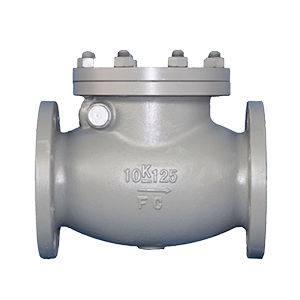
Swing Check Valve – The Classic Flapper

Imagine a tiny door inside your pipe that swings open when water flows forward and slams shut when the flow reverses. That’s your swing check valve.

Good Stuff:Super simple and reliable.Perfect for wide pipes.Works great in steady-flow systems.Fewer parts = easy to maintain

Watch Out:Can’t be used vertically.Slow to close = higher chance of water hammer.Needs space to swing open

Great For: Water treatment, fire systems, big pipeline setups


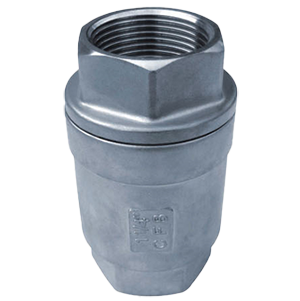
Spring Check Valve – Fast & Flexible

Now picture a spring pushing the valve closed every time water stops. That’s the spring check valve—a quick-reacting, compact alternative.

Good Stuff:Can be used horizontally or vertically!Closes fast = less chance of water hammer.Great for tight spaces

Watch Out:Slight pressure loss due to the spring.More moving parts = might need more maintenance

Great For: Pumps, HVAC, air compressors, and tight spots where flow can be sudden


Quick Comparison

FeatureSwing ValveSpring Valve
Closes WithGravitySpring Force
Mounting DirectionHorizontal onlyHorizontal & Vertical
Water Hammer RiskMedium to HighLow
Size RangeMedium to LargeSmall to Medium
Space RequirementsMoreLess

So…Which Should You Choose

Go swing if:You’ve got big pipes and room to spare.Flow is steady and predictable

Go spring if:You need compact, flexible placement.Your system stops/starts a lot (like with pumps)

At I-Flow, we stock both valve types in cast iron, stainless steel, and brass—ready for fast delivery worldwide. Not sure what you need? Just ask us!

Back To The List btn

Related News

How To Use 3-Way Valve The Right Way in Different Applications
19-December 2025

How To Use 3-Way Valve The Right Way in Different Applications

If you’ve ever needed to mix two flows, switch directions, or create a bypass line, a 3-way valve is likely the solution. But using it correctly is not just about installing it—it’s about knowing how it should behave inside your system.Let’s keep it simple.

View Details
What Is The Purpose & Importance of Shut-Off Valve
18-December 2025

What Is The Purpose & Importance of Shut-Off Valve

View Details
Understanding The Different Types of Safety Valves
18-December 2025

Understanding The Different Types of Safety Valves

Safety valves are critical components in modern pressure protection systems, designed to prevent overpressure, equipment damage, and serious safety accidents. Across industries such as oil and gas, chemical processing, power generation, marine engineering, HVAC, and industrial manufacturing, safety valves serve as the final line of defense when system pressure exceeds safe limits.

View Details
How To Select The Right Size Knife Gate Valves
11-December 2025

How To Select The Right Size Knife Gate Valves

In many industrial systems, speed is not just an advantage—it is a necessity. When a pipeline needs to be shut off instantly to prevent backflow, equipment damage, or safety hazards, a quick closing valve becomes the frontline safeguard. These valves are engineered to close rapidly under emergency or controlled conditions, ensuring that fluid movement can be stopped at the critical moment.

View Details
Key Factors To Consider When Choosing Quick Closing Valve
10-December 2025

Key Factors To Consider When Choosing Quick Closing Valve

In many industrial systems, speed is not just an advantage—it is a necessity. When a pipeline needs to be shut off instantly to prevent backflow, equipment damage, or safety hazards, a quick closing valve becomes the frontline safeguard. These valves are engineered to close rapidly under emergency or controlled conditions, ensuring that fluid movement can be stopped at the critical moment.

View Details
What Is The Float Control Valve
10-December 2025

What Is The Float Control Valve

In many water supply systems, maintaining a stable liquid level is essential for safety, energy efficiency, and overall system performance. Among the various level-control devices available, the float control valve stands out for its reliability, simplicity, and ability to operate without external power. As industries move toward smarter and more efficient fluid management, understanding how this valve works—and the advantages it brings—has become increasingly important.

View Details