
luglugalugaaen |

sea nav gua

form

GET YOUR FREE QUOTE

We will contact you within 24 hours.

What Makes Three Way Valve Different

Time: 6-February 2026 | Source: I-FLOW| Share

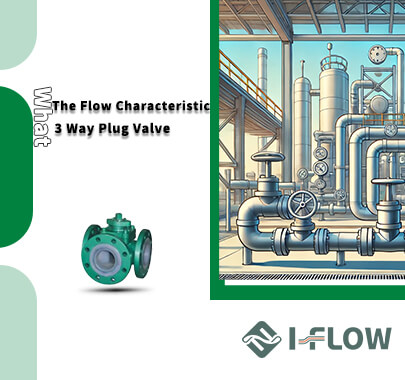
Unlike standard on-off valves, a three way valve controls flow between three pipeline connections instead of two. This unique structure allows it to redirect flow or blend fluids without requiring additional piping components.

How a Three Way Valve Controls Flow

Inside the valve body, a movable element changes position to control which ports are open. By adjusting this position, the valve can:

  • Send fluid in different directions

  • Combine flows from multiple sources

  • Switch flow paths smoothly without shutting down the system

This flexible operation is what makes three way valves so valuable in dynamic systems.

Common Operating Modes Explained

In real-world applications, three way valves usually work in one of two modes:

  • Flow diverting mode, where fluid from one source is sent to different destinations

  • Flow mixing mode, where fluids from two sources blend into a single stream

These modes help maintain stable pressure, flow rate, or temperature across a system.

Typical Applications of Three Way Valves

  • HVAC systems for temperature and flow balancing

  • Industrial pipelines requiring directional control

  • Water and fluid distribution networks

  • Chemical and process engineering systems

Their ability to perform multiple functions reduces system complexity and improves operational efficiency.

Why Understanding Valve Operation Matters

Knowing how a three way valve works helps engineers and operators select the right configuration, avoid incorrect installation, and ensure long-term system reliability. Proper use leads to better control, lower maintenance costs, and improved performance.

Back To The List btn

Related News

What Makes Triple Eccentric Butterfly Valves So Versatile
6-February 2026

What Makes Triple Eccentric Butterfly Valves So Versatile

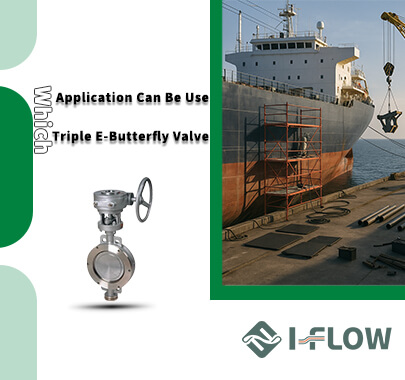
Triple eccentric butterfly valves are chosen when systems demand zero leakage, durability, and stable performance under challenging conditions. Their advanced sealing structure allows them to outperform conventional butterfly valves in severe-service applications.

View Details
Why Fire Sprinkler Systems Matter
6-February 2026

Why Fire Sprinkler Systems Matter

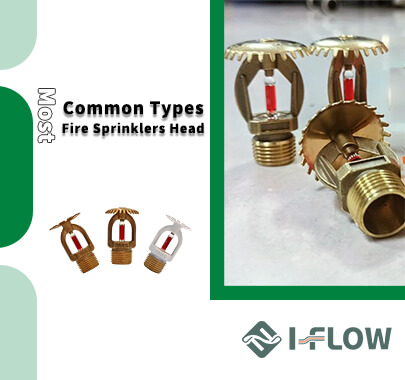
Fire sprinkler systems play a vital role in modern fire safety, offering automatic and reliable protection when a fire breaks out. Unlike manual firefighting methods, sprinklers react immediately to rising temperatures, helping control fires before they escalate into major disasters.

View Details
How To Properly Select and Operate Pressure Relief Valves for System Protection
6-February 2026

How To Properly Select and Operate Pressure Relief Valves for System Protection

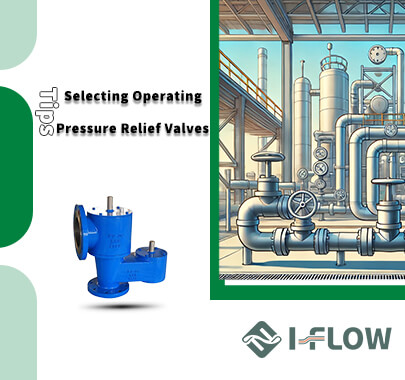
Pressure relief valves are essential safety devices designed to prevent excessive pressure buildup in industrial systems. Proper selection and correct operation are key factors in maintaining regulatory compliance, equipment integrity, and operational safety.

View Details
Why Pinch Valves Are Ideal for Slurry and Abrasive
6-February 2026

Why Pinch Valves Are Ideal for Slurry and Abrasive

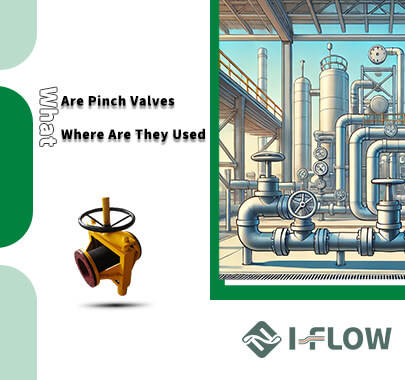
Pinch valves are specifically engineered to handle fluids that are difficult for traditional valves, such as slurries, powders, and fluids containing solid particles. The flexible sleeve design eliminates internal obstructions that can trap debris.

View Details
How Three Port Plug Valves Control and Distribute Fluid Flow
6-February 2026

How Three Port Plug Valves Control and Distribute Fluid Flow

3-way plug valves allow operators to redirect or combine flow within a single valve body. By rotating the plug, the valve can switch flow direction, isolate lines, or mix fluids depending on system design.

View Details
The Role of Ball Float Valves in Efficient Liquid Level Management
28-January 2025

The Role of Ball Float Valves in Efficient Liquid Level Management

Ball float valves regulate liquid flow automatically by responding to changes in fluid level. This self-acting operation eliminates the need for sensors, electrical power, or complex control systems.

View Details