
luglugalugaaen |

sea nav gua

form

GET YOUR FREE QUOTE

We will contact you within 24 hours.

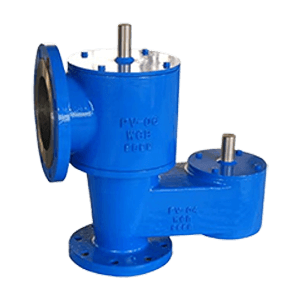
How To Properly Select and Operate Pressure Relief Valves for System Protection

Time: 6-February 2026 | Source: I-FLOW| Share

Pressure relief valves are essential safety devices designed to prevent excessive pressure buildup in industrial systems. Proper selection and correct operation are key factors in maintaining regulatory compliance, equipment integrity, and operational safety.

Evaluating Operating Conditions and Set Pressure

Accurate evaluation of operating pressure, temperature, and flow conditions is the foundation of pressure relief valve selection. The valve’s set pressure must comply with applicable standards while providing sufficient protection against abnormal pressure fluctuations.

Choosing the Appropriate Valve Design

There are multiple pressure relief valve designs available, including conventional spring-loaded, balanced bellows, and pilot-operated types. Each design offers unique advantages depending on back pressure sensitivity, system stability, and discharge capacity requirements.

Material Selection and Environmental Factors

Pressure relief valves must withstand both internal process media and external environmental conditions. Selecting suitable materials improves resistance to corrosion, high temperatures, and chemical exposure, ensuring long-term performance and reduced maintenance costs.


Installation Guidelines and Safe Operation

Correct installation ensures reliable valve response. Valves should be installed in accordance with manufacturer guidelines and industry standards, with proper orientation and discharge piping. During operation, routine monitoring helps identify abnormal behavior before system safety is compromised.

Inspection, Testing, and Long-Term Reliability

Periodic inspection and functional testing are essential to verify valve performance. A well-maintained pressure relief valve provides consistent protection, minimizes downtime, and supports safe, uninterrupted system operation.

Back To The List btn

Related News

What Makes Triple Eccentric Butterfly Valves So Versatile
6-February 2026

What Makes Triple Eccentric Butterfly Valves So Versatile

Triple eccentric butterfly valves are chosen when systems demand zero leakage, durability, and stable performance under challenging conditions. Their advanced sealing structure allows them to outperform conventional butterfly valves in severe-service applications.

View Details
What Makes Three Way Valve Different
6-February 2026

What Makes Three Way Valve Different

Unlike standard on-off valves, a three way valve controls flow between three pipeline connections instead of two. This unique structure allows it to redirect flow or blend fluids without requiring additional piping components.

View Details
Why Fire Sprinkler Systems Matter
6-February 2026

Why Fire Sprinkler Systems Matter

Fire sprinkler systems play a vital role in modern fire safety, offering automatic and reliable protection when a fire breaks out. Unlike manual firefighting methods, sprinklers react immediately to rising temperatures, helping control fires before they escalate into major disasters.

View Details
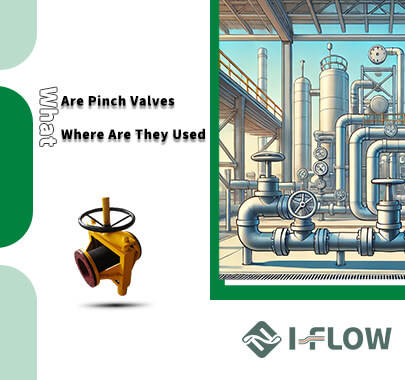
Why Pinch Valves Are Ideal for Slurry and Abrasive
6-February 2026

Why Pinch Valves Are Ideal for Slurry and Abrasive

Pinch valves are specifically engineered to handle fluids that are difficult for traditional valves, such as slurries, powders, and fluids containing solid particles. The flexible sleeve design eliminates internal obstructions that can trap debris.

View Details
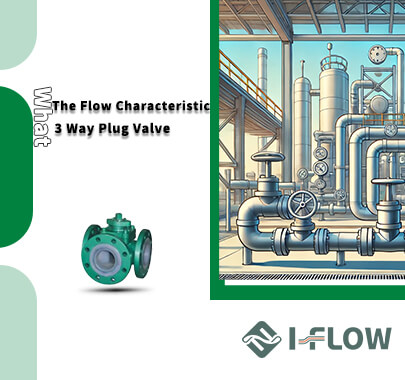
How Three Port Plug Valves Control and Distribute Fluid Flow
6-February 2026

How Three Port Plug Valves Control and Distribute Fluid Flow

3-way plug valves allow operators to redirect or combine flow within a single valve body. By rotating the plug, the valve can switch flow direction, isolate lines, or mix fluids depending on system design.

View Details
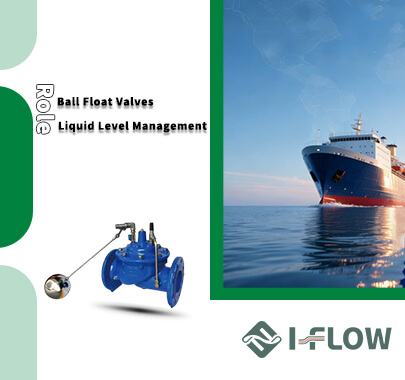
The Role of Ball Float Valves in Efficient Liquid Level Management
28-January 2025

The Role of Ball Float Valves in Efficient Liquid Level Management

Ball float valves regulate liquid flow automatically by responding to changes in fluid level. This self-acting operation eliminates the need for sensors, electrical power, or complex control systems.

View Details