
luglugalugaaen |

sea nav gua

form

GET YOUR FREE QUOTE

We will contact you within 24 hours.

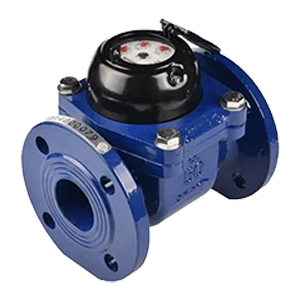
Exploring Different Types of Water Meters and Their Uses

Time: 17-October 2025 | Source: I-FLOW| Share

1.Positive Displacement Meters

They are the classic choice for homes and small businesses. They measure flow by repeatedly filling and emptying a chamber inside the meter. Because each cycle represents a fixed volume, they deliver very accurate readings at low flow rates.

2.Velocity Meters

They take a different approach — they track how fast the water moves. There are a few kinds: turbine, electromagnetic, and ultrasonic. Turbine meters spin a rotor as water flows through. Electromagnetic meters use an electric field to measure conductive liquids. Ultrasonic meters send sound waves through the water to determine flow speed. These types are perfect for big systems that need precise data.

3.Compound Meters

They combine the best of both worlds. They use two measuring elements to handle both small and large flows accurately. Large buildings, hotels, and industrial facilities often rely on them to cover variable demand.

4.Smart Water Meters

They are changing the game. They collect and send data automatically, showing real-time usage through mobile apps or management systems. They can even warn users about leaks or unusual spikes in consumption.
Choosing the right water meter depends on your needs. Think about water type, flow range, and how you want to collect data. A good match means long-term savings, lower maintenance, and more control over your system.
Back To The List btn

Related News

How To Use 3-Way Valve The Right Way in Different Applications
19-December 2025

How To Use 3-Way Valve The Right Way in Different Applications

If you’ve ever needed to mix two flows, switch directions, or create a bypass line, a 3-way valve is likely the solution. But using it correctly is not just about installing it—it’s about knowing how it should behave inside your system.Let’s keep it simple.

View Details
What Is The Purpose & Importance of Shut-Off Valve
18-December 2025

What Is The Purpose & Importance of Shut-Off Valve

View Details
Understanding The Different Types of Safety Valves
18-December 2025

Understanding The Different Types of Safety Valves

Safety valves are critical components in modern pressure protection systems, designed to prevent overpressure, equipment damage, and serious safety accidents. Across industries such as oil and gas, chemical processing, power generation, marine engineering, HVAC, and industrial manufacturing, safety valves serve as the final line of defense when system pressure exceeds safe limits.

View Details
How To Select The Right Size Knife Gate Valves
11-December 2025

How To Select The Right Size Knife Gate Valves

In many industrial systems, speed is not just an advantage—it is a necessity. When a pipeline needs to be shut off instantly to prevent backflow, equipment damage, or safety hazards, a quick closing valve becomes the frontline safeguard. These valves are engineered to close rapidly under emergency or controlled conditions, ensuring that fluid movement can be stopped at the critical moment.

View Details
Key Factors To Consider When Choosing Quick Closing Valve
10-December 2025

Key Factors To Consider When Choosing Quick Closing Valve

In many industrial systems, speed is not just an advantage—it is a necessity. When a pipeline needs to be shut off instantly to prevent backflow, equipment damage, or safety hazards, a quick closing valve becomes the frontline safeguard. These valves are engineered to close rapidly under emergency or controlled conditions, ensuring that fluid movement can be stopped at the critical moment.

View Details
What Is The Float Control Valve
10-December 2025

What Is The Float Control Valve

In many water supply systems, maintaining a stable liquid level is essential for safety, energy efficiency, and overall system performance. Among the various level-control devices available, the float control valve stands out for its reliability, simplicity, and ability to operate without external power. As industries move toward smarter and more efficient fluid management, understanding how this valve works—and the advantages it brings—has become increasingly important.

View Details