
luglugalugaaen |

sea nav gua

form

GET YOUR FREE QUOTE

We will contact you within 24 hours.

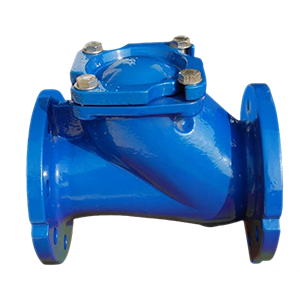
How Does A Ball Check Valve Work

Time: 14-November 2025 | Source: I-FLOW| Share

If you’ve ever wondered how a pipe stops liquid from sneaking back in the wrong direction, the ball check valve is a great example of smart engineering made simple. Think of it as a tiny traffic controller inside your pipeline. Its job? Make sure flow moves forward—and only forward.

Inside the valve body sits a smooth, round ball. When the fluid flows normally, pressure pushes the ball up or aside, opening the passage. Everything moves through freely. But the moment flow slows, or tries to reverse, the ball rolls back into its seat. Just like that, the valve becomes a barrier, blocking reverse flow instantly. It’s an elegant mechanism with only one moving part, which means fewer breakdowns and almost no maintenance headaches.


Ball check valves shine in systems dealing with dirty or thick fluids. Slurries, wastewater, and liquids with small particles won’t easily jam the ball. It moves cleanly with the pressure changes and seals tightly when needed. For operators who want a simple non-return valve that provides dependable backflow prevention without complicated parts, this design is often the top pick.

Whether used in pumps, drainage systems, or industrial pipelines, the ball check valve keeps everything running in one direction—smooth, safe, and efficient. Sometimes, the simplest designs are the ones that work best.

Back To The List btn

Related News

Why Choose Brass Ball Valves for Your Plumbing
25-December 2025

Why Choose Brass Ball Valves for Your Plumbing

In modern plumbing systems, reliability, durability, and safety are non-negotiable. Among the various valve options available, brass ball valves have become a preferred choice for residential, commercial, and light industrial plumbing applications—and for good reason

View Details
How Fire Protection Valve Enhance Safety Measures
25-December 2025

How Fire Protection Valve Enhance Safety Measures

Fire protection valves are critical components in fire safety systems, designed to control the flow of water or firefighting agents within sprinklers, hydrants, and standpipe networks. Their primary purpose is to ensure rapid and reliable response during fire emergencies, preventing loss of life, property damage, and business disruption.

View Details
Why You Should Have a PRV And How It Works
25-December 2025

Why You Should Have a PRV And How It Works

A Pressure Reducing Valve (PRV) is a critical component in water, gas, and steam systems, designed to automatically regulate downstream pressure to a safe, consistent level. Installing a PRV ensures system safety, efficiency, and equipment longevity.

View Details
How To Use 3-Way Valve The Right Way in Different Applications
19-December 2025

How To Use 3-Way Valve The Right Way in Different Applications

If you’ve ever needed to mix two flows, switch directions, or create a bypass line, a 3-way valve is likely the solution. But using it correctly is not just about installing it—it’s about knowing how it should behave inside your system.Let’s keep it simple.

View Details
What Is The Purpose & Importance of Shut-Off Valve
18-December 2025

What Is The Purpose & Importance of Shut-Off Valve

View Details
Understanding The Different Types of Safety Valves
18-December 2025

Understanding The Different Types of Safety Valves

Safety valves are critical components in modern pressure protection systems, designed to prevent overpressure, equipment damage, and serious safety accidents. Across industries such as oil and gas, chemical processing, power generation, marine engineering, HVAC, and industrial manufacturing, safety valves serve as the final line of defense when system pressure exceeds safe limits.

View Details