
luglugalugaaen |

sea nav gua

form

GET YOUR FREE QUOTE

We will contact you within 24 hours.

What Are The Unique Features of Storm Valves

Time: 14-January 2025 | Source: I-FLOW| Share

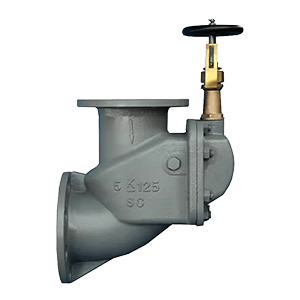
A storm valve is a specialized marine valve designed to prevent the backflow of seawater into shipboard drainage and discharge systems. Commonly installed on overboard discharge lines, storm valves play a critical role in maintaining vessel safety, especially in rough sea conditions.

1. Automatic Backflow Prevention

The primary feature of a storm valve is its ability to automatically close when external water pressure exceeds internal pressure. This prevents seawater from entering the vessel during high waves, heavy rain, or flooding conditions—without requiring manual operation.

2. Gravity- or Pressure-Activated Design

Storm valves operate based on gravity or differential pressure, eliminating the need for external power. This simple yet reliable mechanism ensures continuous protection even in emergency or power-loss situations.


3. Compact and Robust Construction

Designed for marine environments, storm valves are typically constructed from corrosion-resistant materials such as cast iron, bronze, or stainless steel. Their compact design allows for easy installation in limited spaces below deck.

4. Compliance with Marine Standards

High-quality storm valves comply with international marine classification requirements such as IMO, DNV, LR, ABS, and BV, ensuring safe operation on commercial and naval vessels.

5. Low Maintenance and High Reliability

With few moving parts and a straightforward structure, storm valves require minimal maintenance while offering long-term, reliable performance in harsh marine conditions.

Back To The List btn

Related News

What Is The Needle Valve and How Does It Work
14-January 2025

What Is The Needle Valve and How Does It Work

Inside a needle valve is a thin, pointed stem that moves slowly in and out of a small opening. This design allows you to adjust flow gradually and accurately, rather than making sudden changes.

View Details
Do You Really Know How To Choose Balancing Valves
31-December 2025

Do You Really Know How To Choose Balancing Valves

Balancing valves are often seen as simple accessories in HVAC and hydronic systems—but in reality, choosing the wrong balancing valve can undermine system efficiency, comfort, and energy performance. Do you really know what to look for when selecting one?

View Details
Why Choose Brass Ball Valves for Your Plumbing
25-December 2025

Why Choose Brass Ball Valves for Your Plumbing

In modern plumbing systems, reliability, durability, and safety are non-negotiable. Among the various valve options available, brass ball valves have become a preferred choice for residential, commercial, and light industrial plumbing applications—and for good reason

View Details
How Fire Protection Valve Enhance Safety Measures
25-December 2025

How Fire Protection Valve Enhance Safety Measures

Fire protection valves are critical components in fire safety systems, designed to control the flow of water or firefighting agents within sprinklers, hydrants, and standpipe networks. Their primary purpose is to ensure rapid and reliable response during fire emergencies, preventing loss of life, property damage, and business disruption.

View Details
Why You Should Have a PRV And How It Works
25-December 2025

Why You Should Have a PRV And How It Works

A Pressure Reducing Valve (PRV) is a critical component in water, gas, and steam systems, designed to automatically regulate downstream pressure to a safe, consistent level. Installing a PRV ensures system safety, efficiency, and equipment longevity.

View Details
How To Use 3-Way Valve The Right Way in Different Applications
19-December 2025

How To Use 3-Way Valve The Right Way in Different Applications

If you’ve ever needed to mix two flows, switch directions, or create a bypass line, a 3-way valve is likely the solution. But using it correctly is not just about installing it—it’s about knowing how it should behave inside your system.Let’s keep it simple.

View Details