
luglugalugaaen |

sea nav gua

form

GET YOUR FREE QUOTE

We will contact you within 24 hours.

Best Practices for Installing Balancing Valves

Time: 5-December 2025 | Source: I-FLOW| Share

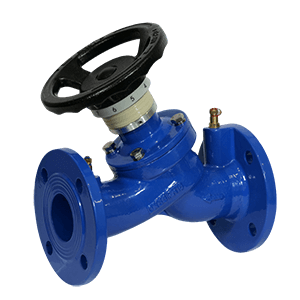
Walk into any mechanical room, and you’ll quickly understand why balancing valves matter. They quietly determine whether an HVAC system runs smoothly or wastes energy with every cycle. While engineers design the system, it’s the installation that ultimately decides whether a balancing valve performs as intended. To help installers, contractors, and facility managers achieve consistent results, here’s a practical look at the best practices that truly make a difference on-site.

Start With the Basics: System Cleanliness

Before a single valve is installed, the pipeline must be flushed. Debris—sand, welding residue, rust flakes—can obstruct the valve or damage its internal components, especially in precision-designed manual and automatic balancing valves.
A clean line ensures accurate readings and smooth operation from day one.

Pay Attention to Flow Direction

Balancing valves are engineered with a designated flow path. Install them backward, and the consequences are immediate: incorrect differential pressure readings, unstable flow rates, and potential damage to internal mechanisms.
Always check the arrow on the valve body and verify the piping layout before tightening flanges or threaded ends.

Choose the Right Installation Position

Although balancing valves can often work in horizontal or vertical arrangements, orientation still matters. Best practice is to:

  • Install in a horizontal line when possible

  • Keep the measuring ports accessible

  • Avoid installing immediately after bends, elbows, or pumps

These steps help maintain stable flow conditions and ensure accurate measurement.


Provide Straight Pipe Lengths

To achieve dependable measurement accuracy, a balancing valve needs undisturbed flow. That’s why engineers recommend:

  • 10 pipe diameters of straight pipe upstream, and

  • 5 pipe diameters downstream

This minimizes turbulence and prevents distorted flow patterns that affect readings.

Ensure Accessibility for Commissioning

Balancing valves are not “install and forget” components. Technicians must return to measure flow rates, adjust settings, and verify performance—especially in large HVAC systems.
Leave enough workspace and keep DP ports easy to reach. A well-positioned valve shortens commissioning time and prevents future headaches.

Install Differential Pressure Gauges Properly

For manual balancing valves, the accuracy of differential pressure measurement determines how well the system is balanced. This means:

  • Keep pressure hoses clean

  • Avoid sharp bends in tubing

  • Ensure both ports are free from blockages

Correct DP measurement leads to precise valve adjustment, resulting in a more efficient HVAC system.

Avoid Air Traps and Cavitation Zones

Air pockets reduce accuracy and can damage the valve. Install balancing valves in sections where air is less likely to accumulate.
If unavoidable, ensure nearby air vents or automatic air release valves are functioning properly.

Tighten With Care

Over-tightening can distort the valve body or damage threads.
Follow torque guidelines (when provided), use proper tools, and avoid forcing connections. Precision matters.

Document Valve Settings

Once commissioning is complete, the final valve setting should be recorded. Marking the handwheel position or storing digital records helps facility teams maintain long-term system performance and troubleshoot future issues.

Back To The List btn

Related News

Why Choose Brass Ball Valves for Your Plumbing
25-December 2025

Why Choose Brass Ball Valves for Your Plumbing

In modern plumbing systems, reliability, durability, and safety are non-negotiable. Among the various valve options available, brass ball valves have become a preferred choice for residential, commercial, and light industrial plumbing applications—and for good reason

View Details
How Fire Protection Valve Enhance Safety Measures
25-December 2025

How Fire Protection Valve Enhance Safety Measures

Fire protection valves are critical components in fire safety systems, designed to control the flow of water or firefighting agents within sprinklers, hydrants, and standpipe networks. Their primary purpose is to ensure rapid and reliable response during fire emergencies, preventing loss of life, property damage, and business disruption.

View Details
Why You Should Have a PRV And How It Works
25-December 2025

Why You Should Have a PRV And How It Works

A Pressure Reducing Valve (PRV) is a critical component in water, gas, and steam systems, designed to automatically regulate downstream pressure to a safe, consistent level. Installing a PRV ensures system safety, efficiency, and equipment longevity.

View Details
How To Use 3-Way Valve The Right Way in Different Applications
19-December 2025

How To Use 3-Way Valve The Right Way in Different Applications

If you’ve ever needed to mix two flows, switch directions, or create a bypass line, a 3-way valve is likely the solution. But using it correctly is not just about installing it—it’s about knowing how it should behave inside your system.Let’s keep it simple.

View Details
What Is The Purpose & Importance of Shut-Off Valve
18-December 2025

What Is The Purpose & Importance of Shut-Off Valve

View Details
Understanding The Different Types of Safety Valves
18-December 2025

Understanding The Different Types of Safety Valves

Safety valves are critical components in modern pressure protection systems, designed to prevent overpressure, equipment damage, and serious safety accidents. Across industries such as oil and gas, chemical processing, power generation, marine engineering, HVAC, and industrial manufacturing, safety valves serve as the final line of defense when system pressure exceeds safe limits.

View Details