
luglugalugaaen |

sea nav gua

form

GET YOUR FREE QUOTE

We will contact you within 24 hours.

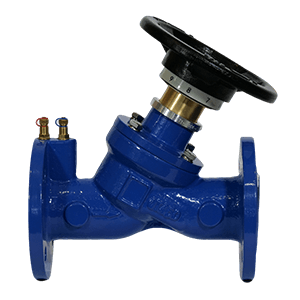
Do You Really Know How To Choose Balancing Valves

Time: 31-December 2025 | Source: I-FLOW| Share

Balancing valves are often seen as simple accessories in HVAC and hydronic systems—but in reality, choosing the wrong balancing valve can undermine system efficiency, comfort, and energy performance. Do you really know what to look for when selecting one?

Why Balancing Valve Selection Matters

A balancing valve regulates flow to ensure each terminal unit receives the correct amount of water. Without proper balancing, systems may suffer from:Uneven heating or cooling.Excessive energy consumption.Noise, vibration, or premature equipment wear

The right balancing valve ensures hydronic balance, system stability, and long-term efficiency.


Key Factors to Consider When Choosing a Balancing Valve

1. System Type and Application

Start by identifying where the valve will be used:HVAC heating or cooling circuits.Chilled water or hot water systems.Primary or secondary loops

Different applications require different valve designs and performance characteristics.

2. Manual vs. Automatic Balancing Valves

  • Manual balancing valves are suitable for systems with stable flow conditions and lower precision requirements.

  • Automatic balancing valves maintain constant flow regardless of pressure fluctuations, making them ideal for modern, variable-flow HVAC systems.

Choosing between the two depends on system complexity and control requirements.

3. Flow Range and Accuracy

Select a valve that operates efficiently within your design flow rate range. A valve that is oversized or undersized will compromise control accuracy and measurement reliability.

Look for:Clear flow-setting scales.High flow measurement accuracy.Stable control under varying pressures

4. Pressure Drop Considerations

Every balancing valve introduces some pressure loss. Excessive pressure drop increases pump energy consumption.
A well-designed balancing valve offers precise control with minimal pressure loss, supporting energy-efficient operation.

5. Installation and Maintenance

Ease of installation and commissioning matters:Compact design.Accessible measurement ports.Clear presetting functionality

Valves that are easy to adjust and maintain reduce commissioning time and long-term operating costs.

6. Standards and Quality

Ensure the balancing valve complies with international standards such as:ISO.EN.CE

Reliable materials and strict quality control guarantee long service life and consistent performance.

Common Mistakes to Avoid

  • Choosing valves based on size only, ignoring flow requirements

  • Oversizing to “be safe,” which reduces control accuracy

  • Ignoring system pressure variations

  • Overlooking future maintenance and commissioning needs

Back To The List btn

Related News

Where Should Check Valve Be Installed in Piping System
21-January 2025

When Is Globe Valve The Right Choice

In any fluid control system, flow direction is just as important as flow rate. Uncontrolled backflow can lead to equipment damage, system inefficiency, and safety risks. This is why check valves play a vital role in modern piping systems across water, HVAC, marine, and industrial applications.

View Details
Where Should Check Valve Be Installed in Piping System
21-January 2025

Where Should Check Valve Be Installed in Piping System

In any fluid control system, flow direction is just as important as flow rate. Uncontrolled backflow can lead to equipment damage, system inefficiency, and safety risks. This is why check valves play a vital role in modern piping systems across water, HVAC, marine, and industrial applications.

View Details
Why Ball Valve Are Essential in Industrial Flow Control System
21-January 2025

Why Ball Valve Are Essential in Industrial Flow Control System

In industrial flow control, the ability to reliably isolate, control, and protect fluid systems is fundamental. Among various valve types, ball valves have become one of the most widely used solutions due to their balanced combination of performance, durability, and operational simplicity.

View Details
Double Flange VS Single Flange Butterfly Valves
16-January 2025

Double Flange VS Single Flange Butterfly Valves

At first glance, double flange and single flange butterfly valves may look similar—but their installation and usage tell a very different story.

View Details
What Is The Needle Valve and How Does It Work
14-January 2025

What Is The Needle Valve and How Does It Work

Inside a needle valve is a thin, pointed stem that moves slowly in and out of a small opening. This design allows you to adjust flow gradually and accurately, rather than making sudden changes.

View Details
What Are The Unique Features of Storm Valves
14-January 2025

What Are The Unique Features of Storm Valves

A storm valve is a specialized marine valve designed to prevent the backflow of seawater into shipboard drainage and discharge systems. Commonly installed on overboard discharge lines, storm valves play a critical role in maintaining vessel safety, especially in rough sea conditions.

View Details