
luglugalugaaen |

sea nav gua

form

GET YOUR FREE QUOTE

We will contact you within 24 hours.

Key Factors To Consider When Choosing Quick Closing Valve

Time: 10-December 2025 | Source: I-FLOW| Share

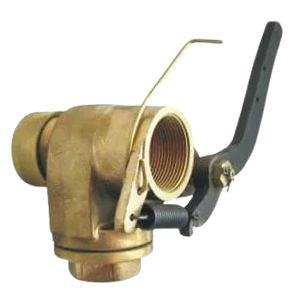
What Is a Quick Closing Valve

A quick closing valve is a safety device that shuts off fluid flow in a very short time, usually triggered automatically or by manual action such as pulling a remote cable or activating a pneumatic/hydraulic actuator. They are widely used in:

  • Marine fuel and lubricating oil pipelines

  • Chemical and fuel transfer systems

  • Emergency shutdown systems (ESD)

  • Hazardous fluid isolation points

  • Industrial machinery with high-risk fluid circuits

Their core purpose is to prevent accidents by stopping fluid movement immediately.


Key Factors to Consider When Choosing a Quick Closing Valve

1. Valve Type & Operating Mechanism

Quick closing valves come in different configurations. The most common include:

  • Cable-operated quick closing valves (standard on ships and fuel systems)

  • Pneumatic-operated quick closing valves

  • Hydraulic-operated quick closing valves

  • Spring-return emergency shutoff valves

Choosing the right mechanism depends on your system’s safety requirements, available power sources, and installation environment.

2. Response Time Requirements

Not all systems need ultra-fast closure. Consider:

  • Does the process demand instant shutoff?

  • Could too rapid closure cause water hammer or pipeline stress?

  • Does the valve need adjustable closing speed?

Balancing safety needs and system stability is essential.

3. Medium Compatibility

Quick closing valves must be compatible with the fluid they control. Check for:

  • Corrosion resistance

  • Temperature tolerance

  • Pressure rating

  • Seal material compatibility (Viton, NBR, PTFE, FKM, etc.)

For example, marine fuel lines typically require bronze or stainless steel valves with fire-safe design and oil-resistant seals.

4. Installation Location

Different environments require specific features:

  • Marine engine rooms → fire-safe, corrosion-resistant, easy cable actuation

  • Hazardous chemical plants → anti-static design, leak-proof seals

  • Outdoor pipelines → weather-resistant coatings

  • Remote locations → manual fail-safe closure

Environmental suitability ensures longevity and uninterrupted performance.

5. Pressure & Flow Characteristics

A quick closing valve must match the system’s:Rated pressure.Flow coefficient (Cv / Kv).Pipeline diameter.Operating conditions

An undersized valve restricts flow, while an oversized one may compromise effective sealing or reaction time.

6. Safety Certification & Industry Standards

Always choose valves that comply with the standards required in your field. Common certifications include:CE.ISO 10497 (fire test for valves).DNV, BV, LR, ABS marine approvals.API 607 / API 6FA fire-safe standards

Certification ensures reliability, and many industries require compliance as a mandatory safety measure.

7. Maintenance & Accessibility

A valve that closes quickly must also reset easily. Consider:

  • Ease of manual reset after activation

  • Spare part availability

  • Maintenance-friendly design

  • Long-term durability of springs and actuators

Choosing a trusted manufacturer with strong after-sales support can significantly extend service life.

Why the Right Quick Closing Valve Matters

A carefully selected quick closing valve:

  • Prevents fires and explosions

  • Protects pumps, engines, and equipment

  • Reduces environmental risk

  • Ensures regulatory compliance

  • Enhances overall operational safety

In industries where every second counts, the quality and suitability of your quick closing valve directly influence system stability and personnel safety.

Back To The List btn

Related News

What Is The Float Control Valve
10-December 2025

What Is The Float Control Valve

In many water supply systems, maintaining a stable liquid level is essential for safety, energy efficiency, and overall system performance. Among the various level-control devices available, the float control valve stands out for its reliability, simplicity, and ability to operate without external power. As industries move toward smarter and more efficient fluid management, understanding how this valve works—and the advantages it brings—has become increasingly important.

View Details
Best Practices for Installing Balancing Valves
5-December 2025

Best Practices for Installing Balancing Valves

Walk into any mechanical room, and you’ll quickly understand why balancing valves matter. They quietly determine whether an HVAC system runs smoothly or wastes energy with every cycle. While engineers design the system, it’s the installation that ultimately decides whether a balancing valve performs as intended. To help installers, contractors, and facility managers achieve consistent results, here’s a practical look at the best practices that truly make a difference on-site.

View Details
How Long Does Globe Valve Take To Open and Close
21-November 2025

How Long Does Globe Valve Take To Open and Close

When engineers choose a globe valve, they often focus on accuracy, pressure control, and durability. But once the valve is installed, another question always comes up during commissioning: “How long does this valve actually take to open and close?” It sounds simple, yet the answer influences everything—from system safety to actuator selection. In this guide, we break it down clearly and practically, based on engineering experience, manufacturer data, and real usage in industrial plants.

View Details
The Three Ship-Stopping Threats the Mud Box Fights
20-November 2025

The Three Ship-Stopping Threats the Mud Box Fights

Imagine you're on a long voyage, hundreds of miles from port. Everything is humming along until, suddenly, an alarm blares. "High Jacket Water Temperature!" What caused the multi-million dollar engine to start sweating? Often, the culprit is not a complex electronic failure but a simple blockage caused by mud, weeds, or even a rogue plastic bag.

View Details
The Complete Guide To Gate Valve Types
19-November 2025

The Complete Guide To Gate Valve Types

Gate valves are the workhorses of the industrial piping world. Primarily used for on/off control (isolation), they function by lifting a barrier (gate) out of the path of the fluid. Because they are either fully open or fully closed, they offer very low flow resistance but are generally poor at regulating flow.

View Details
How The Electric Butterfly Valves Work
14-November 2025

How The Electric Butterfly Valves Work

Electric butterfly valves are widely used in modern fluid control systems for their efficiency, automation capability, and precise operation. They combine the structure of a butterfly valve with an electric actuator, allowing operators to open, close, or regulate flow remotely with high accuracy.

View Details