
luglugalugaaen |

sea nav gua

form

GET YOUR FREE QUOTE

We will contact you within 24 hours.

What Is The Difference Between Plug and Needle Valve

Time: 9-September 2025 | Source: I-FLOW| Share

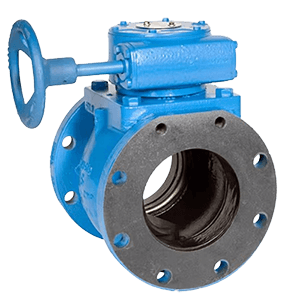
What Is a Plug Valve

A plug valve is a quarter-turn valve that uses a cylindrical or conical plug with a hollow passage. When the plug rotates 90 degrees, the passage aligns with the pipeline, allowing fluid to pass. When rotated again, the solid part of the plug blocks the flow completely.

Main Features of Plug Valves

  • Quick shutoff: Only requires a quarter turn.

  • Simple design: Compact with few moving parts.

  • High flow capacity: Handles large volumes with minimal resistance.

  • Durability: Can operate under high pressure and temperature.

Where They’re Used

  • Oil and gas transmission lines.

  • Chemical and petrochemical plants.

  • Water treatment facilities.

  • Industrial systems requiring frequent shutoff.

However, they are not intended for precise throttling. Operating them partially open increases turbulence and accelerates wear.


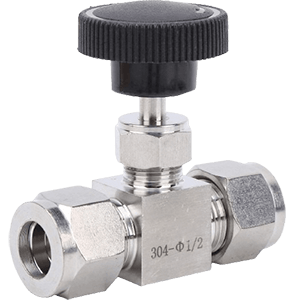
What Is a Needle Valve

A needle valve is designed for precision. Its defining feature is a slender, needle-like stem that fits into a seat. By turning the handwheel, the operator slowly raises or lowers the needle, adjusting the size of the flow passage with extreme accuracy.

Main Features of Needle Valves

  • Precision control: Ideal for small, steady flow adjustments.

  • Slow operation: Multi-turn design allows gradual changes.

  • Leak-tight sealing: Provides excellent shutoff for small lines.

  • Small orifice: Suitable only for low flow capacities.

Where They’re Used

  • Laboratory and test equipment.

  • Gas calibration and regulation systems.

  • Hydraulic and pneumatic controls.

  • Sampling lines in chemical processes.

They are not practical for fast shutoff or high flow volumes but excel when accuracy matters.


Plug Valve VS Needle Valve

FeaturePlug ValveNeedle Valve
DesignConical/cylindrical plug with hollow passageSlender needle-shaped stem in a seat
OperationQuarter-turn, fast open/closeMulti-turn, gradual adjustment
Flow CapacityHigh, handles large volumesLow, designed for precision control
FunctionQuick shutoffAccurate flow regulation
Best UsePipelines, industrial shutoffInstrumentation, calibration, gas control

How to Choose the Right Valve

Choosing between a plug valve and a needle valve depends on your system requirements.

  • If you need speed and capacity → Use a plug valve for rapid shutoff in pipelines and process systems.

  • If you need accuracy and control → Use a needle valve for precise adjustments in low-flow, high-accuracy applications.

  • Consider flow volumePlug valves suit high-volume fluids, while needle valves are limited to small flows.

  • Think about industry needs → Oil, gas, and water industries favor plug valves. Laboratories, test systems, and calibration setups rely on needle valves.

Back To The List btn

Related News

How To Use 3-Way Valve The Right Way in Different Applications
19-December 2025

How To Use 3-Way Valve The Right Way in Different Applications

If you’ve ever needed to mix two flows, switch directions, or create a bypass line, a 3-way valve is likely the solution. But using it correctly is not just about installing it—it’s about knowing how it should behave inside your system.Let’s keep it simple.

View Details
What Is The Purpose & Importance of Shut-Off Valve
18-December 2025

What Is The Purpose & Importance of Shut-Off Valve

View Details
Understanding The Different Types of Safety Valves
18-December 2025

Understanding The Different Types of Safety Valves

Safety valves are critical components in modern pressure protection systems, designed to prevent overpressure, equipment damage, and serious safety accidents. Across industries such as oil and gas, chemical processing, power generation, marine engineering, HVAC, and industrial manufacturing, safety valves serve as the final line of defense when system pressure exceeds safe limits.

View Details
How To Select The Right Size Knife Gate Valves
11-December 2025

How To Select The Right Size Knife Gate Valves

In many industrial systems, speed is not just an advantage—it is a necessity. When a pipeline needs to be shut off instantly to prevent backflow, equipment damage, or safety hazards, a quick closing valve becomes the frontline safeguard. These valves are engineered to close rapidly under emergency or controlled conditions, ensuring that fluid movement can be stopped at the critical moment.

View Details
Key Factors To Consider When Choosing Quick Closing Valve
10-December 2025

Key Factors To Consider When Choosing Quick Closing Valve

In many industrial systems, speed is not just an advantage—it is a necessity. When a pipeline needs to be shut off instantly to prevent backflow, equipment damage, or safety hazards, a quick closing valve becomes the frontline safeguard. These valves are engineered to close rapidly under emergency or controlled conditions, ensuring that fluid movement can be stopped at the critical moment.

View Details
What Is The Float Control Valve
10-December 2025

What Is The Float Control Valve

In many water supply systems, maintaining a stable liquid level is essential for safety, energy efficiency, and overall system performance. Among the various level-control devices available, the float control valve stands out for its reliability, simplicity, and ability to operate without external power. As industries move toward smarter and more efficient fluid management, understanding how this valve works—and the advantages it brings—has become increasingly important.

View Details