
luglugalugaaen |

sea nav gua

form

GET YOUR FREE QUOTE

We will contact you within 24 hours.

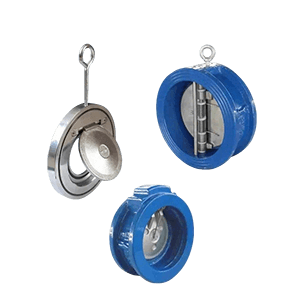
Where Should Check Valve Be Installed in Piping System

Time: 21-January 2025 | Source: I-FLOW| Share

In any fluid control system, flow direction is just as important as flow rate. Uncontrolled backflow can lead to equipment damage, system inefficiency, and safety risks. This is why check valves play a vital role in modern piping systems across water, HVAC, marine, and industrial applications.

Protecting Pumps and Rotating Equipment

Check valves are most commonly installed on the discharge side of pumps. When a pump shuts down, fluid can rush backward due to gravity or system pressure, potentially causing:

  • Impeller damage

  • Reverse rotation

  • Mechanical seal failure

A properly selected check valve prevents these issues and helps maintain stable operating conditions.


Maintaining Stability in Vertical Pipelines

Vertical piping systems are particularly vulnerable to backflow when flow stops. Without a check valve, fluid weight can cause sudden reverse movement, leading to water hammer or pressure shock. Installing a check valve in vertical lines ensures controlled flow direction and improves system safety.

Ensuring Water Quality in Supply Systems

In potable water and process water systems, backflow is not only a mechanical issue but also a health and compliance concern. Check valves prevent contaminated water from flowing back into clean supply lines, supporting regulatory requirements and safeguarding end users.

Optimizing Systems with Multiple Pumps

In parallel pumping systems, pressure differences between pumps can cause reverse flow through idle units. Check valves isolate each pump, allowing independent operation while preventing cross-flow and unnecessary wear.

Supporting Air, Steam, and Gas Applications

Check valves are equally important in compressed air, steam, and gas pipelines, where reverse flow can disrupt pressure balance or damage sensitive components. Proper installation ensures directional integrity and system efficiency.

Choosing the Right Location Matters

The effectiveness of a check valve depends not only on its type but also on where it is installed. Factors such as flow direction, pipe orientation, pressure conditions, and fluid characteristics must be considered during system design.

Back To The List btn

Related News

Where Should Check Valve Be Installed in Piping System
21-January 2025

When Is Globe Valve The Right Choice

In any fluid control system, flow direction is just as important as flow rate. Uncontrolled backflow can lead to equipment damage, system inefficiency, and safety risks. This is why check valves play a vital role in modern piping systems across water, HVAC, marine, and industrial applications.

View Details
Why Ball Valve Are Essential in Industrial Flow Control System
21-January 2025

Why Ball Valve Are Essential in Industrial Flow Control System

In industrial flow control, the ability to reliably isolate, control, and protect fluid systems is fundamental. Among various valve types, ball valves have become one of the most widely used solutions due to their balanced combination of performance, durability, and operational simplicity.

View Details
Double Flange VS Single Flange Butterfly Valves
16-January 2025

Double Flange VS Single Flange Butterfly Valves

At first glance, double flange and single flange butterfly valves may look similar—but their installation and usage tell a very different story.

View Details
What Is The Needle Valve and How Does It Work
14-January 2025

What Is The Needle Valve and How Does It Work

Inside a needle valve is a thin, pointed stem that moves slowly in and out of a small opening. This design allows you to adjust flow gradually and accurately, rather than making sudden changes.

View Details
What Are The Unique Features of Storm Valves
14-January 2025

What Are The Unique Features of Storm Valves

A storm valve is a specialized marine valve designed to prevent the backflow of seawater into shipboard drainage and discharge systems. Commonly installed on overboard discharge lines, storm valves play a critical role in maintaining vessel safety, especially in rough sea conditions.

View Details
Do You Really Know How To Choose Balancing Valves
31-December 2025

Do You Really Know How To Choose Balancing Valves

Balancing valves are often seen as simple accessories in HVAC and hydronic systems—but in reality, choosing the wrong balancing valve can undermine system efficiency, comfort, and energy performance. Do you really know what to look for when selecting one?

View Details