
luglugalugaaen |

sea nav gua

form

GET YOUR FREE QUOTE

We will contact you within 24 hours.

Which One Should You Pick Wafer or Lug Butterfly Valves

Time: 5-June 2025 | Source: I-FLOW| Share

First, What’s a Butterfly Valve
A butterfly valve controls the flow of fluid using a rotating disc. It's popular because it's compact, lightweight, and perfect for both on/off and throttling applications. The main difference lies in how it's installed—and that’s where wafer and lug types come in.
What Makes a Wafer Valve Special
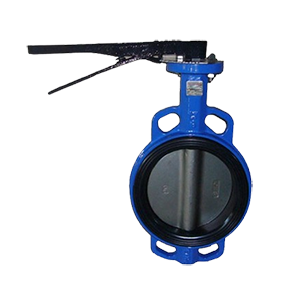
Wafer butterfly valves are the more common and economical choice. They’re sandwiched between two flanges using long bolts. Once installed, the valve is held in place by pressure from the flanges and the bolts.
Best when:You want a lightweight, space-saving valve.You're installing in a low-pressure system.Your project needs to stay within budget
Watch out: You’ll need to shut down both sides of the pipe to remove this valve.

Lug Valves – Built for Maintenance
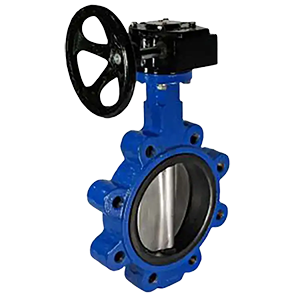
Lug butterfly valves have “lugs” with threads that allow the valve to be bolted directly to flanges on either side. This design lets you isolate one section of the line while keeping the valve installed.
Best when:You want to shut off one side for repairs.Your system has higher pressure
Downside? They cost more and are a bit bulkier.

What’s the Real Difference
FactorWafer ValveLug Valve
InstallationSandwiched between flangesBolted to each flange individually
RemovalBoth sides must be shut offOne side can stay running
Use CaseSimple, budget-friendly systemsCritical or high-pressure pipelines
Which One Should You Choose
If your system runs smooth and doesn’t need frequent service, go with a wafer butterfly valve. It’s lighter, simpler, and easier on your budget.
But if your pipeline needs regular checks, or you're working in industries like fire protection, marine, or chemicals, the lug type valve is the smarter, more reliable choice.
Why I-Flow
At Qingdao I-Flow, we supply both wafer and lug butterfly valves, manufactured to ISO and CE standards. Whether you’re running a marine engine room or building an HVAC system, our valves ensure tight shutoff, durable performance, and quick delivery worldwide.
Back To The List btn

Related News

How To Use 3-Way Valve The Right Way in Different Applications
19-December 2025

How To Use 3-Way Valve The Right Way in Different Applications

If you’ve ever needed to mix two flows, switch directions, or create a bypass line, a 3-way valve is likely the solution. But using it correctly is not just about installing it—it’s about knowing how it should behave inside your system.Let’s keep it simple.

View Details
What Is The Purpose & Importance of Shut-Off Valve
18-December 2025

What Is The Purpose & Importance of Shut-Off Valve

View Details
Understanding The Different Types of Safety Valves
18-December 2025

Understanding The Different Types of Safety Valves

Safety valves are critical components in modern pressure protection systems, designed to prevent overpressure, equipment damage, and serious safety accidents. Across industries such as oil and gas, chemical processing, power generation, marine engineering, HVAC, and industrial manufacturing, safety valves serve as the final line of defense when system pressure exceeds safe limits.

View Details
How To Select The Right Size Knife Gate Valves
11-December 2025

How To Select The Right Size Knife Gate Valves

In many industrial systems, speed is not just an advantage—it is a necessity. When a pipeline needs to be shut off instantly to prevent backflow, equipment damage, or safety hazards, a quick closing valve becomes the frontline safeguard. These valves are engineered to close rapidly under emergency or controlled conditions, ensuring that fluid movement can be stopped at the critical moment.

View Details
Key Factors To Consider When Choosing Quick Closing Valve
10-December 2025

Key Factors To Consider When Choosing Quick Closing Valve

In many industrial systems, speed is not just an advantage—it is a necessity. When a pipeline needs to be shut off instantly to prevent backflow, equipment damage, or safety hazards, a quick closing valve becomes the frontline safeguard. These valves are engineered to close rapidly under emergency or controlled conditions, ensuring that fluid movement can be stopped at the critical moment.

View Details
What Is The Float Control Valve
10-December 2025

What Is The Float Control Valve

In many water supply systems, maintaining a stable liquid level is essential for safety, energy efficiency, and overall system performance. Among the various level-control devices available, the float control valve stands out for its reliability, simplicity, and ability to operate without external power. As industries move toward smarter and more efficient fluid management, understanding how this valve works—and the advantages it brings—has become increasingly important.

View Details